Advantages & Features
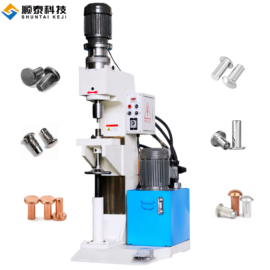
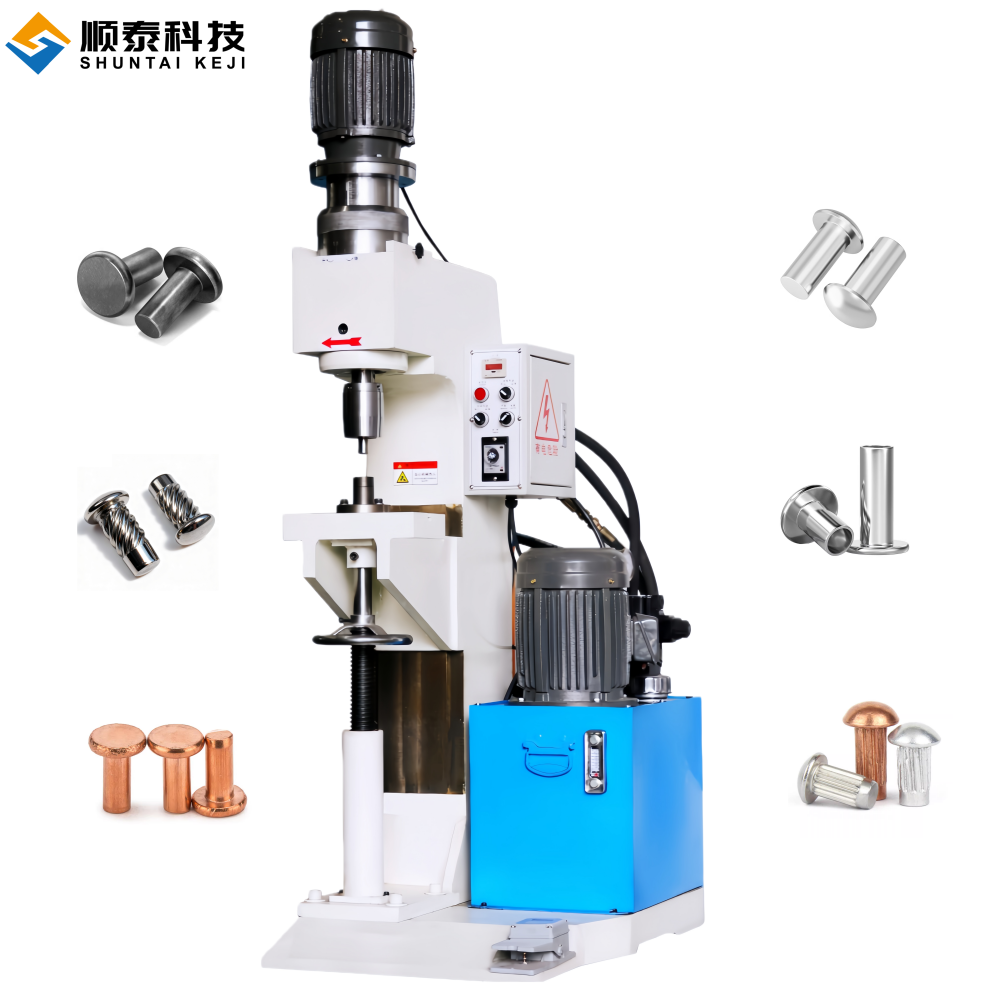
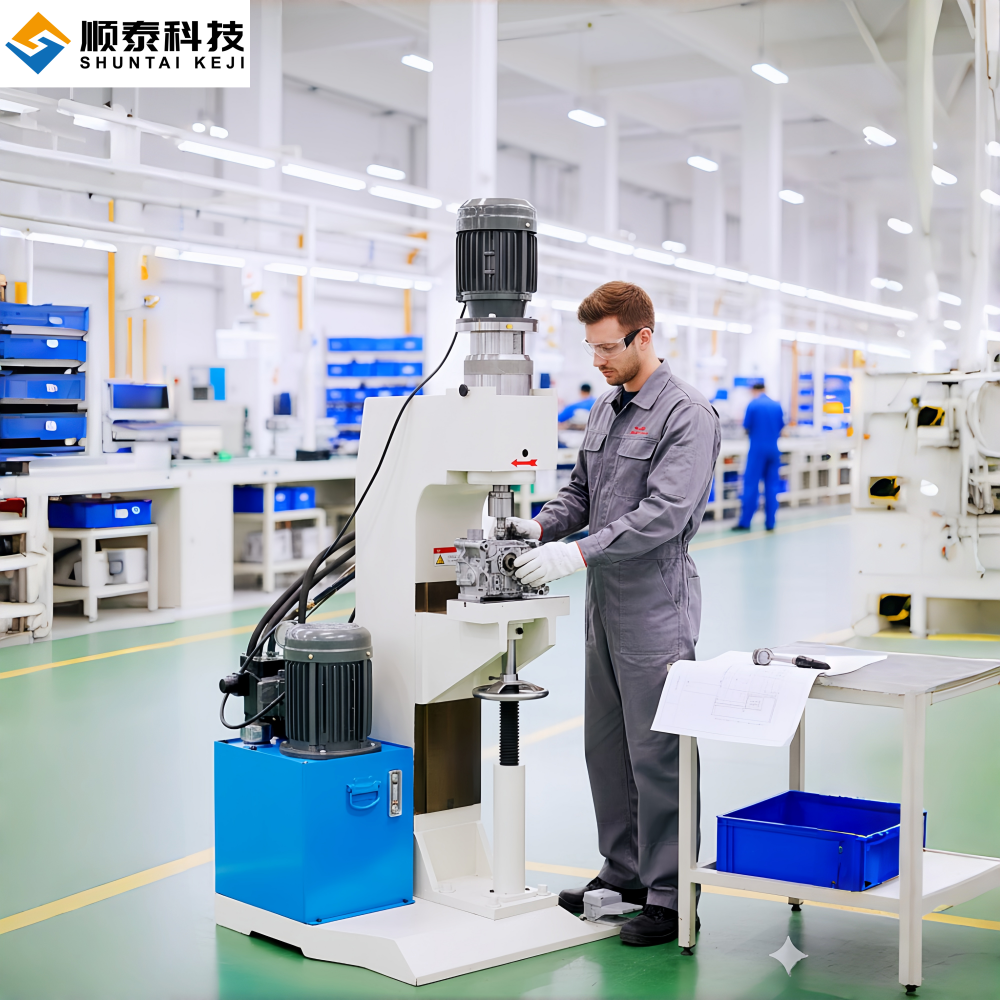
he ST-MYY-152 Hydraulic Orbital Riveting Machine by SHUNTAI Technology is a heavy-duty joining solution designed for large-diameter riveting. Unlike pneumatic models, this hydraulic unit delivers a massive 1650kg maximum pressure, ensuring smooth and reliable fastening for thick workpieces in the automotive and machinery industries.
| Icon | Feature | Simplified Description |
|---|---|---|
| 🏆 | Quality Riveting | Smooth, crack-free rivets with minimal deformation |
| 🔧 | Easy Maintenance | Stable pneumatic design, simple to operate and maintain |
| ⚙️ | Flexible Processing | Handles various materials and shapes with adjustments |
| 📈 | Cost-Effective | Low investment and energy use, economical operation |
| ⚡ | Fast Production | Rapid cycle times, ideal for batch production |
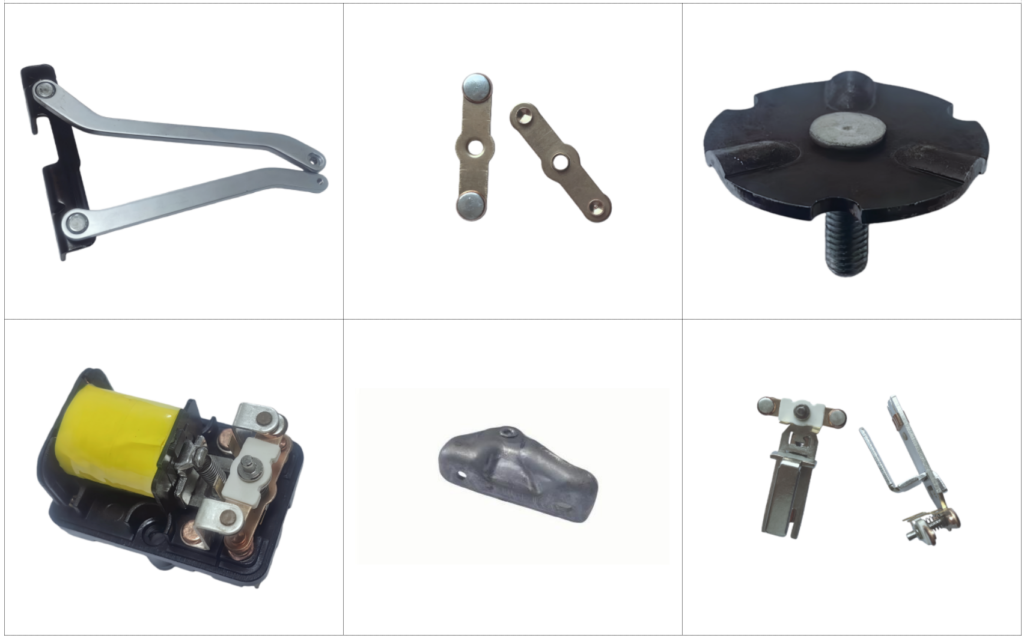
Multi-Industry Precision Component Solutions
ST-MYY-155 Hydraulic Orbital Riveting Machine Device Function Description
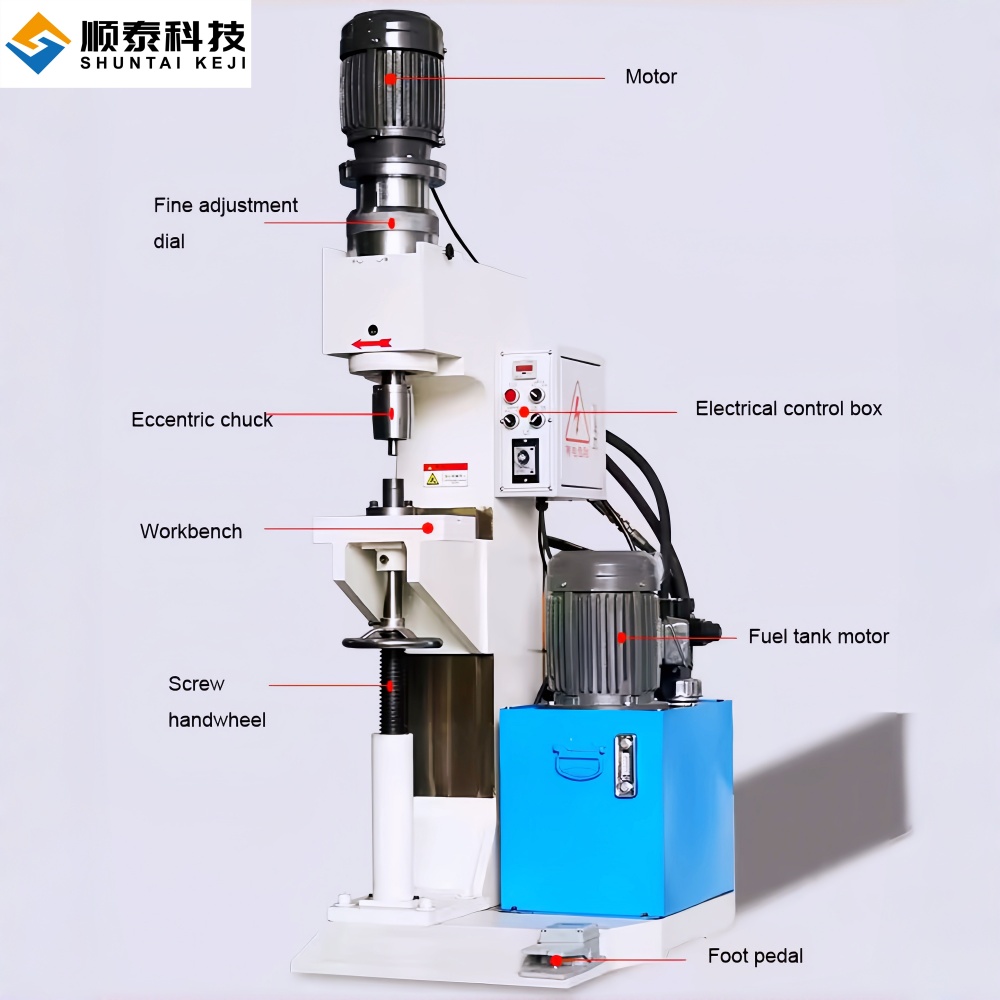
Shun Tai Riveting Machine Specifications Table
The ST-MYY-155 Hydraulic Orbital Riveting Machine series by SHUNTAI Technology offers comprehensive parameter support, including 2D/3D technical drawings and detailed specification tables. We provide highly flexible customization services for this Hydraulic Orbital Riveting Machine to meet the specific requirements of different industrial environments. For more detailed technical parameters and tailored solutions regarding our Hydraulic Orbital Riveting Machine, please contact SHUNTAI Technology directly.
| Item | Parameter | Item | Parameter | |
| Motor Power | 1×2HP | Maximum Pressure | 1650kg | |
| Spindle Stroke | 40mm | Rivet Length | 230mm | |
| Adjustable Stroke | 175mm | Machine Height | 1600mm | |
| Speed | 1400rpm | Table Size | 150 × 240mm | |
| Throat Depth | 195mm | Machine Weight | 350kg | |
| Riveting Diameter (Solid Mild Steel) | Φ12mm | Packaging Dimensions | 1000 × 600 × 1750mm | |
| Riveting Diameter (Hollow Mild Steel) | Φ25mm | Packaging Weight | 385kg | |
| Operating Pressure Range | 2–8bar | Power Supply | AC 380v/ 3P / 50Hz |
Technical Specifications: The ST-MYY-152 supports a Maximum Pressure of 1650kg and a Spindle Speed of 1400rpm. It is equipped with a 1×2HP motor and weighs 350kg, offering exceptional stability for demanding production lines.
Applications of rivets
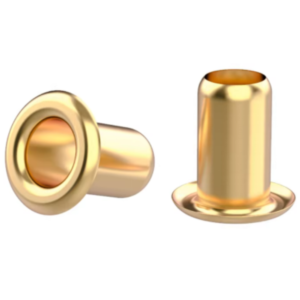
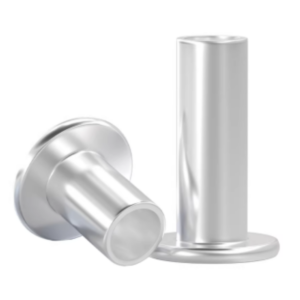
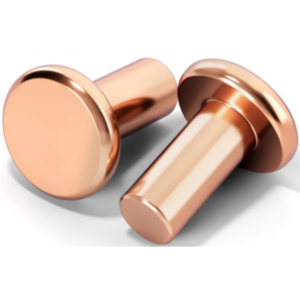
ST-MYY-155 Hydraulic Orbital Riveting Machine intelligently adapts to various materials and structures for complex process requirements.
| No. | Material Category | Specific Materials | Supported Structures | Processing States | Process Characteristics |
| 1 | Aluminum & Alloys | Aluminum (Al) Aluminum Alloys | ○ Hollow ◐ Semi-Hollow ● Solid | ✅ Heat treated ✅ Not heat treated | Anti-deformation algorithm ensures mark-free surfaces; adaptive to oxide layers. |
| 2 | Copper & Alloys | Pure Copper (Cu) Brass/Bronze Copper Alloys | ○ Hollow ◐ Semi-Hollow ● Solid | ✅ Heat-Treated ✅ Non Heat-Treated | Anti-galling mode for soft materials; special thermal process for high conductivity. |
| 3 | Carbon & Alloy Steels | Carbon steel Alloy steel | ○ Hollow ◐ Semi-Hollow ● Solid | ✅ Heat-Treated ✅ Non Heat-Treated | High-torque mode with dynamic pressure compensation for varying hardness. |
| 4 | Stainless Steels | Austenitic Ferritic Martensitic | ○ Hollow ◐ Semi-Hollow ● Solid | ✅ Heat-Treated ✅ Non Heat-Treated | Low-speed, high-force control is used to prevent work hardening, and special process parameters are applied for stainless steel materials. |
| 5 | Special Alloys | Titanium Alloys Nickel-Based Alloys | ○ Hollow ◐ Semi-Hollow ● Solid | ✅ Heat-Treated ✅ Non Heat-Treated | Optional inert gas protection process for reactive & hard-to-form materials. |
   | |||||
Explanation of Orbital Riveting Working Principle
| Orbital riveting is an advanced cold-forming process maintaining a precise tilt angle (3 to 8 degrees) between the spindle and die. This unique motion of the ST-MYY-155 Hydraulic Orbital Riveting Machine transforms axial force into a uniform radial material flow, resulting in high-precision, crack-free joints. | 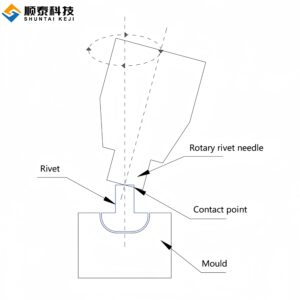 |
| Orbital riveting is an advanced cold-forming process. Its core lies in maintaining a precise tilt angle (α, typically 3°-8°) between the riveting spindle axis and the forming die axis. During operation, the riveting spindle does not press down vertically. Instead, it drives the die to perform a continuous 360° eccentric orbital movement (shown as the S trajectory in Diagram 2) while simultaneously feeding along the Z-axis. | 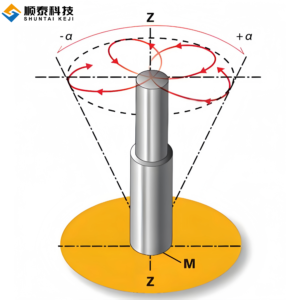 |
Riveting Shape Selection and Application
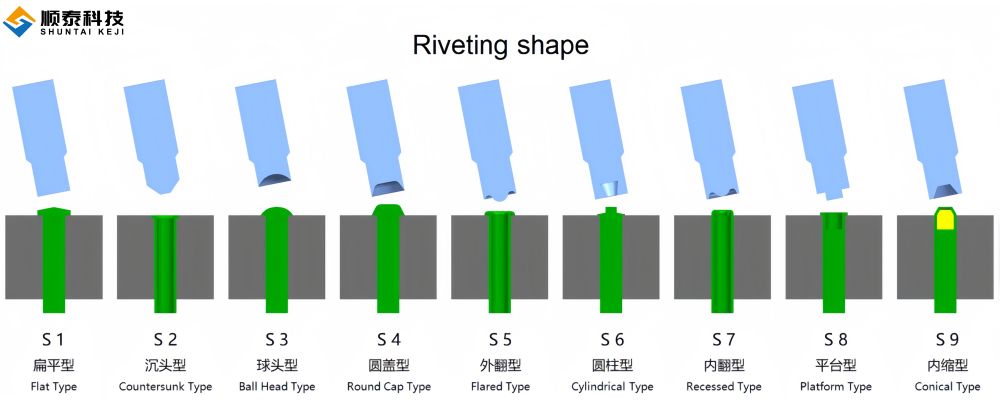
Our servo orbital riveting enables diverse shapes — including Flat, Countersunk, Ball Head, Flared, and Custom forms — to meet varied functional and space requirements. We provide standard shape options (S1–S9) and support tailored designs for precise, reliable, and space-efficient joints.
Equipment detailed design
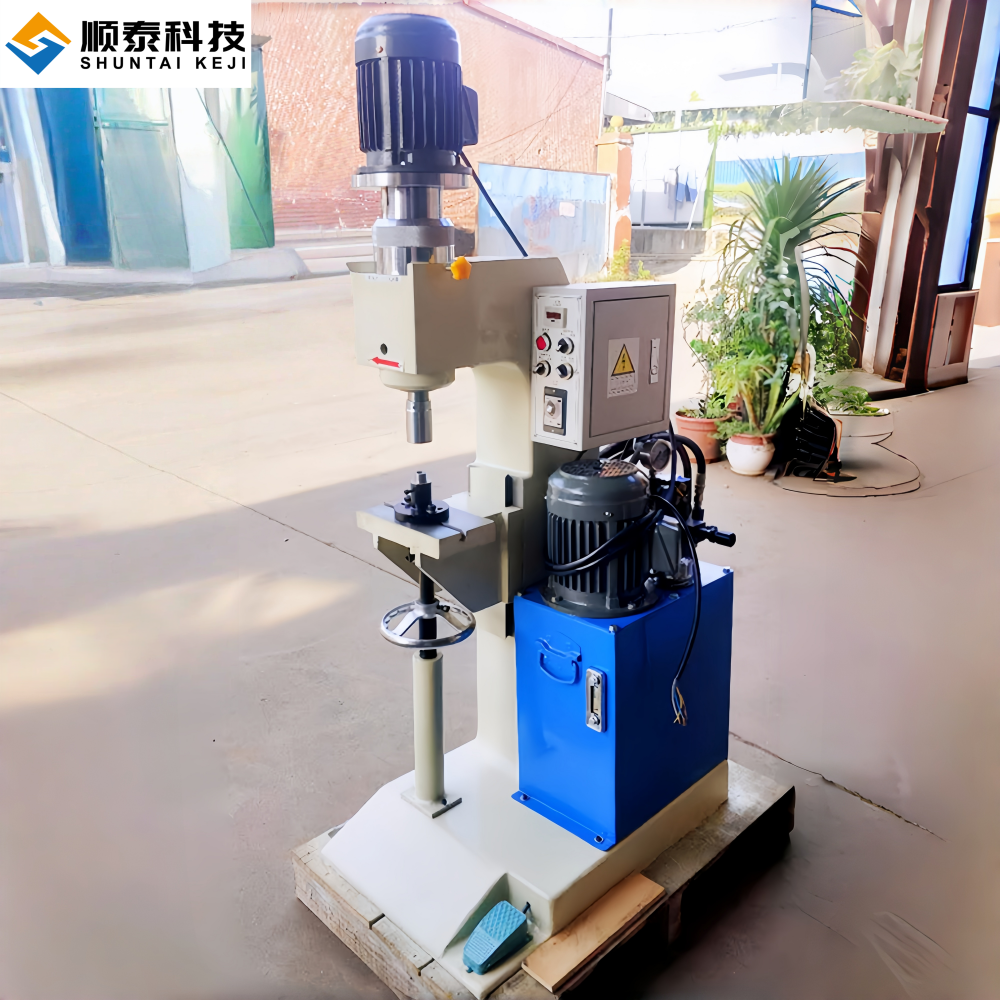
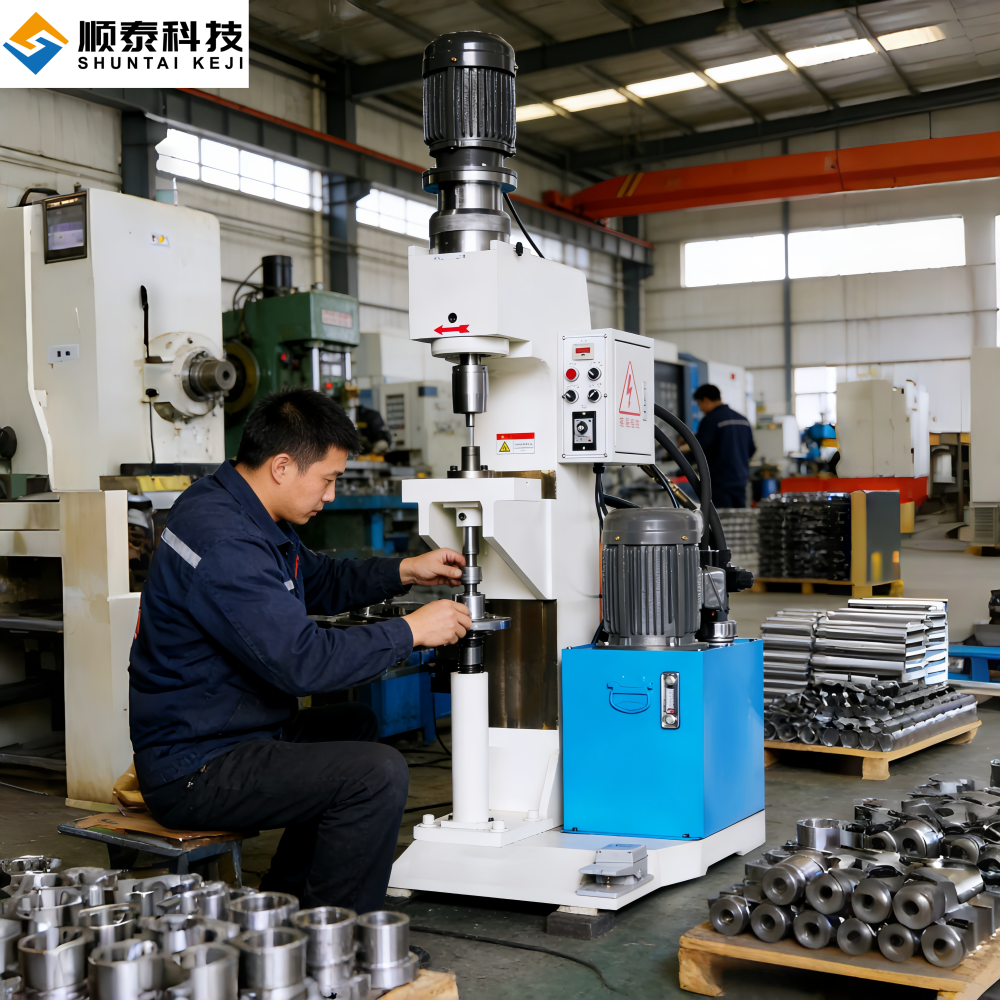
| The ST-MYY-152 Hydraulic Orbital Riveting Machine features a precision-adjustable stroke design, allowing it to flexibly adapt to different part sizes and heavy-duty process requirements. The machine body is constructed from high-quality carbon structural steel, precisely machined and treated to ensure long-term stability and superior positioning accuracy during high-pressure operation. | 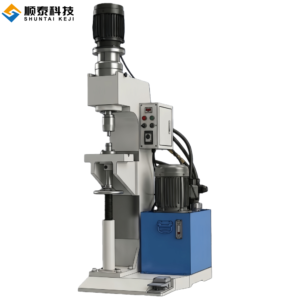 |
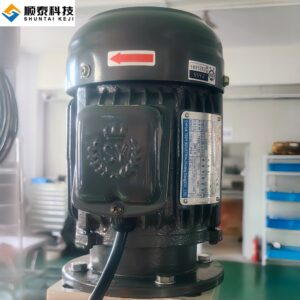 | Utilizing precision hydraulic control and orbital forming technology, the ST-MYY-152 is equipped with a high-torque industrial motor to meet diverse material needs. This Hydraulic Orbital Riveting Machine offers flexible parameter configurations and professional customization services, delivering efficient and cost-effective fastening solutions for the automotive and machinery industries. |
| The worktable of this Hydraulic Orbital Riveting Machine adopts a multi-slot modular design, compatible with various fixtures to enhance production flexibility. Furthermore, the integrated control box combines an intuitive operation panel, speed control unit, and safety protection functions, achieving simple and efficient human-machine interaction. | 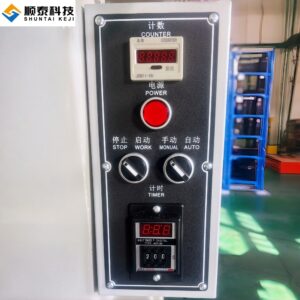 |
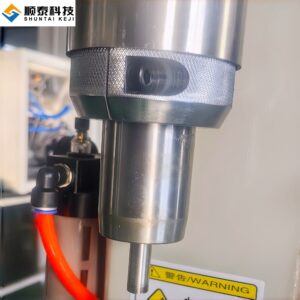 | The ST-MYY-155 Hydraulic Orbital Riveting Machine features a precision power head with fine-tuning capabilities for accurate spindle stroke adjustment. Its heavy-duty body is machined to ensure stability under high-pressure operation, making it suitable for solid rivets up to 25mm in diameter |
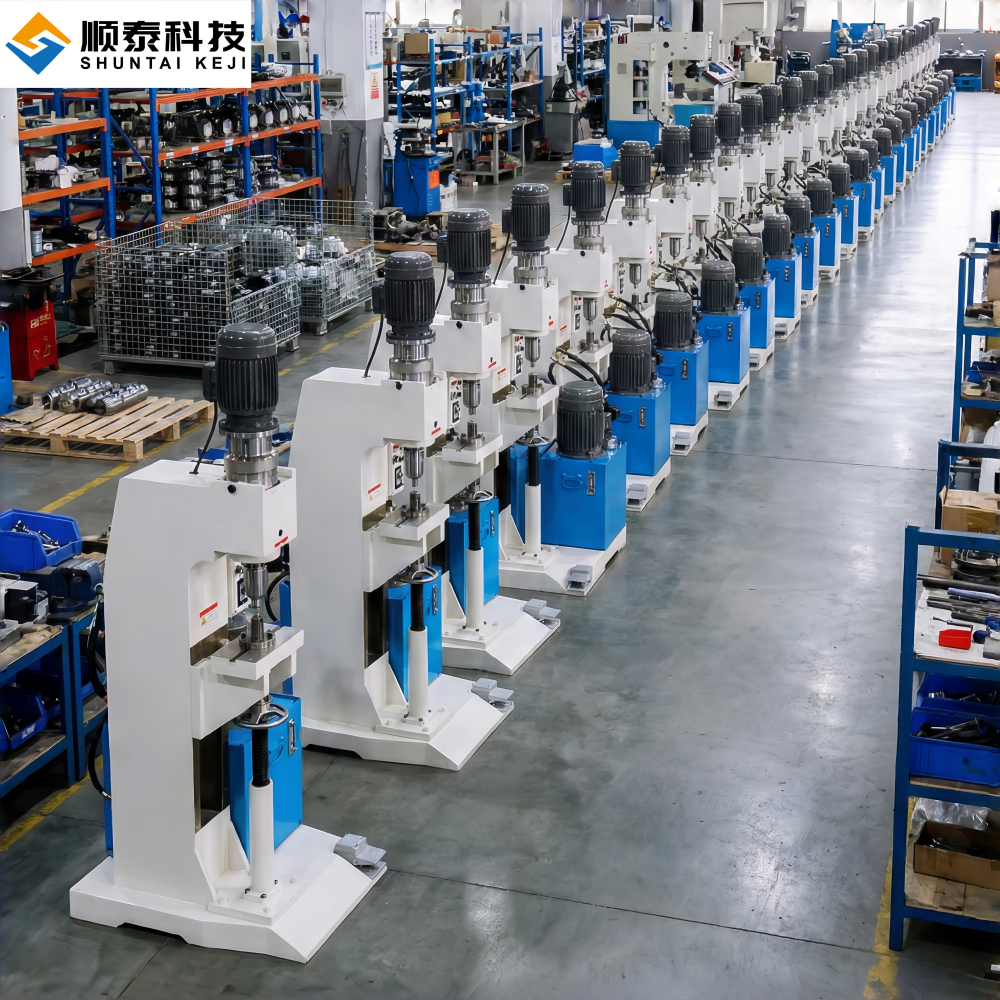
ST-MYY-155 Hydraulic Orbital Riveting Machine Equipment mass production site
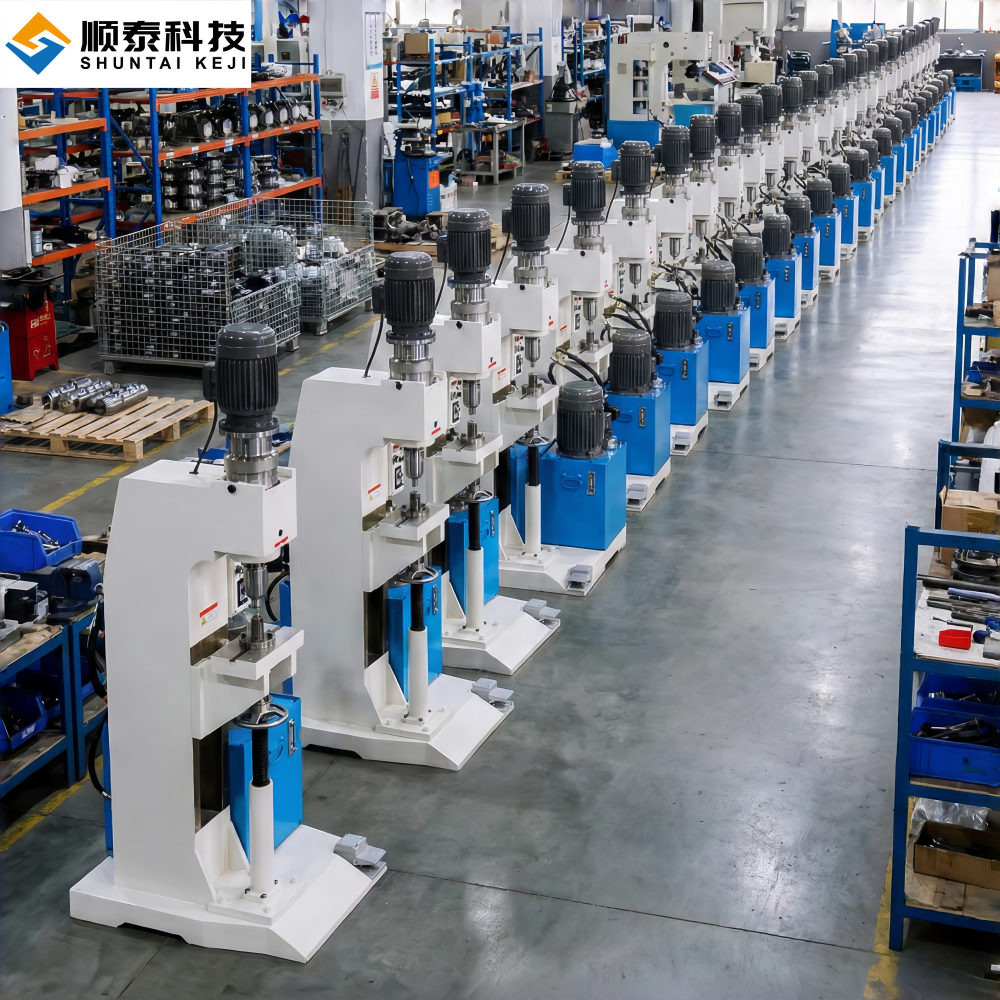 | 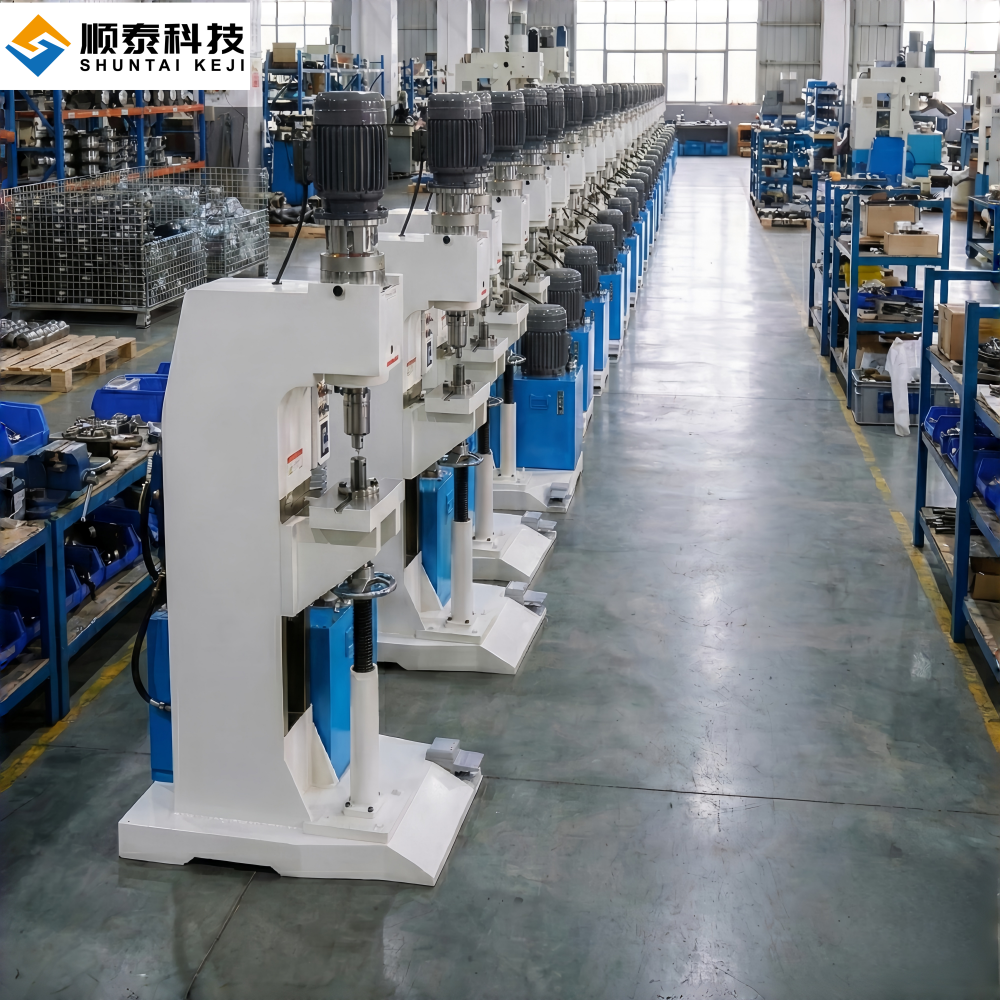 |
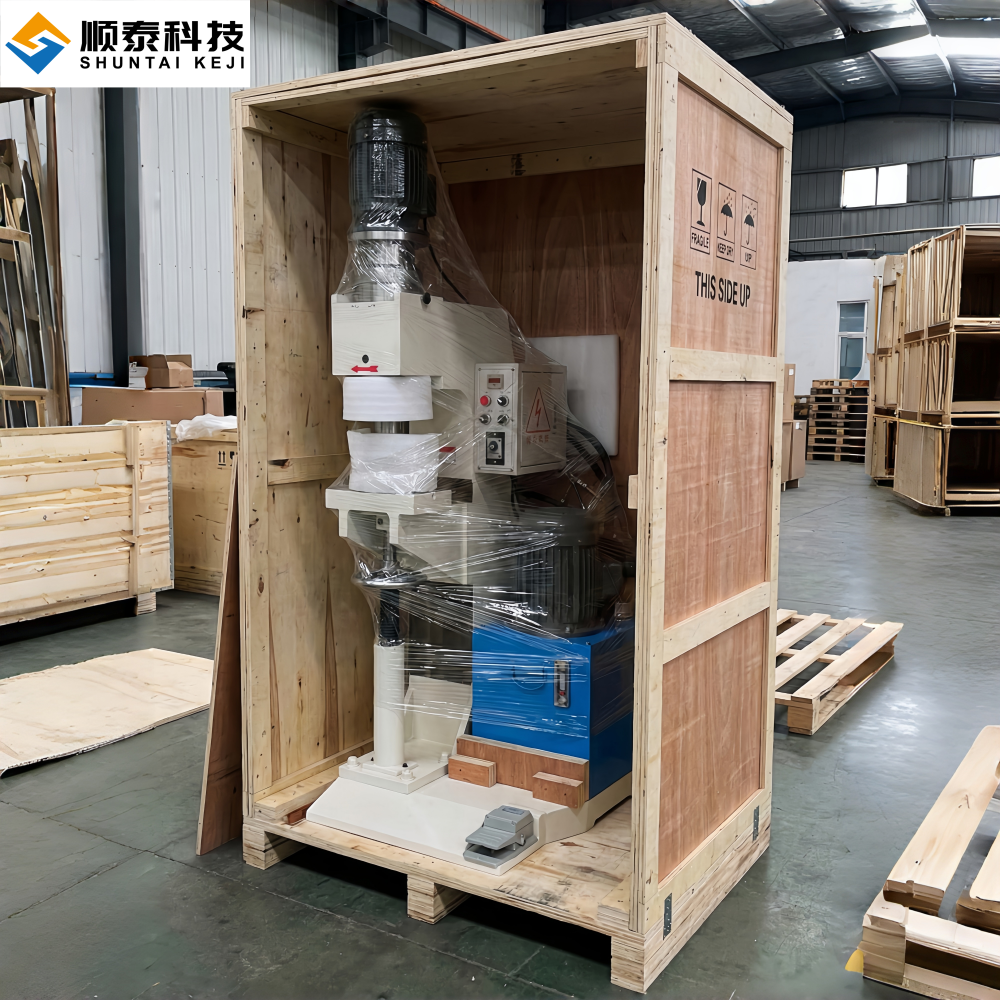
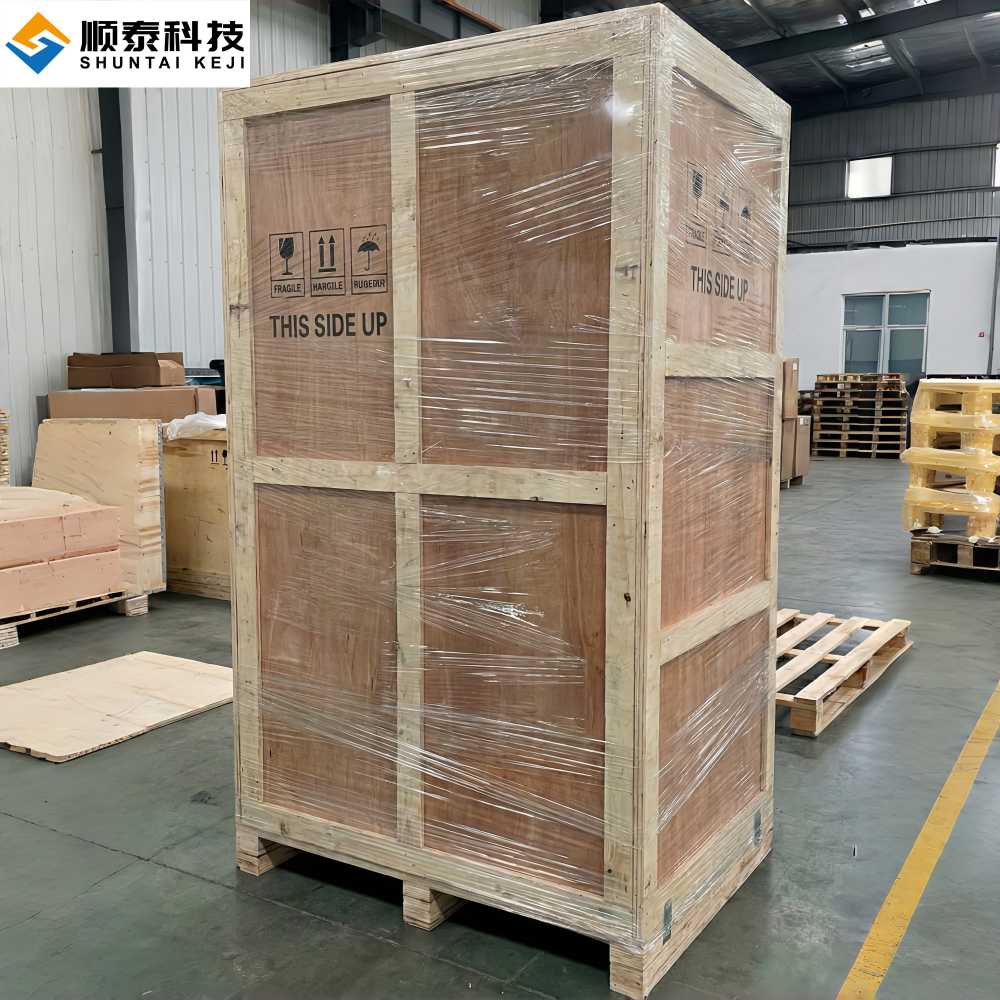
Equipment mass production site
 |  |
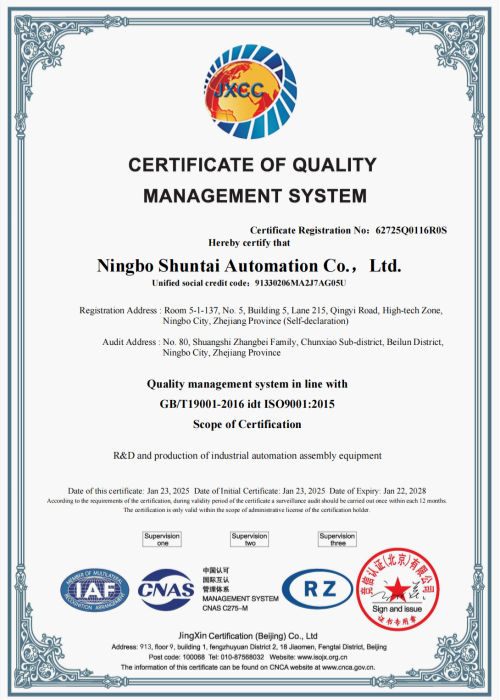
Trademarks and ISO certificates
 | 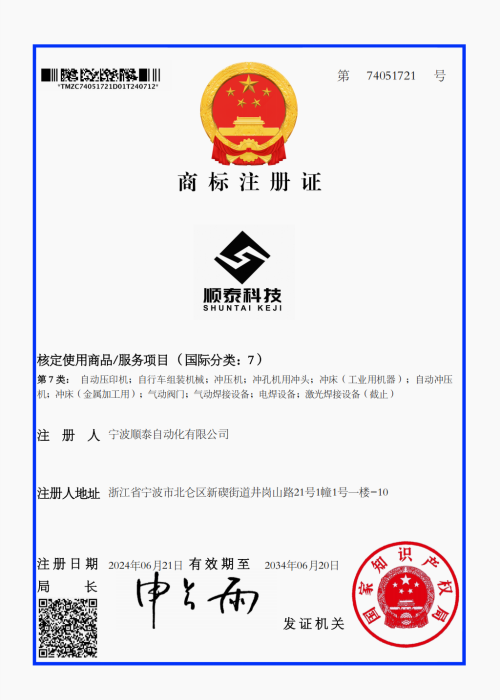 |
Riveting machine software copyright
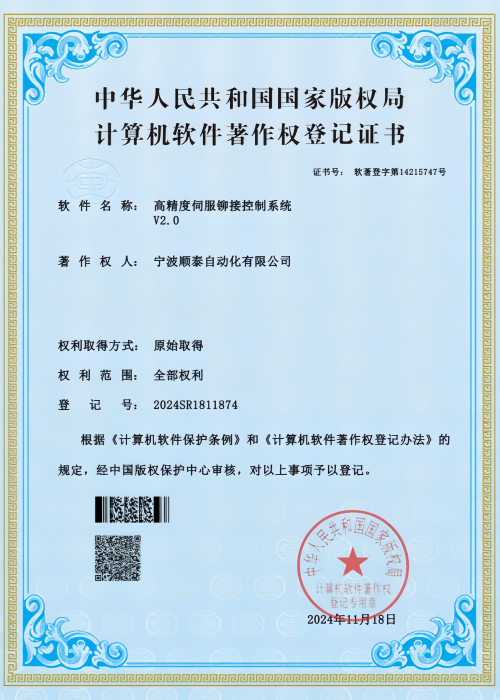 | 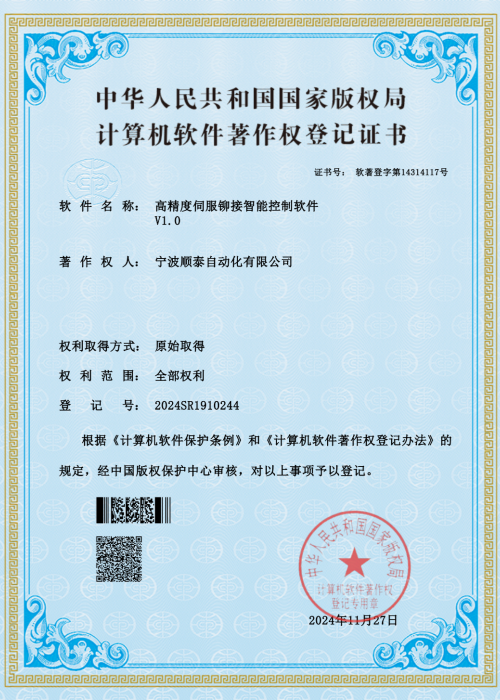 |
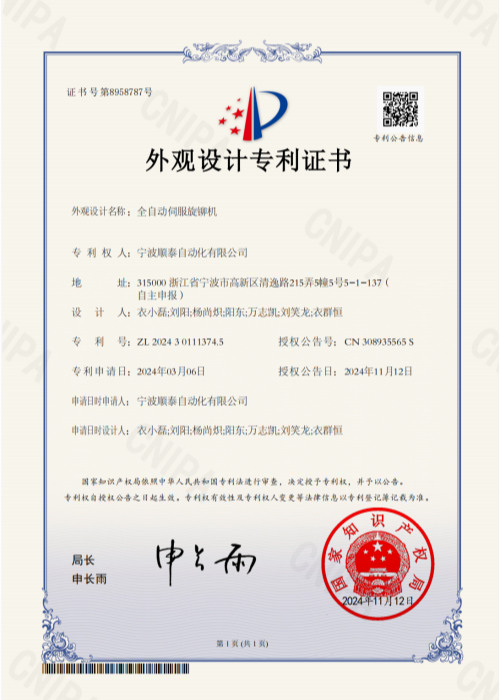
Servo riveting machine patent
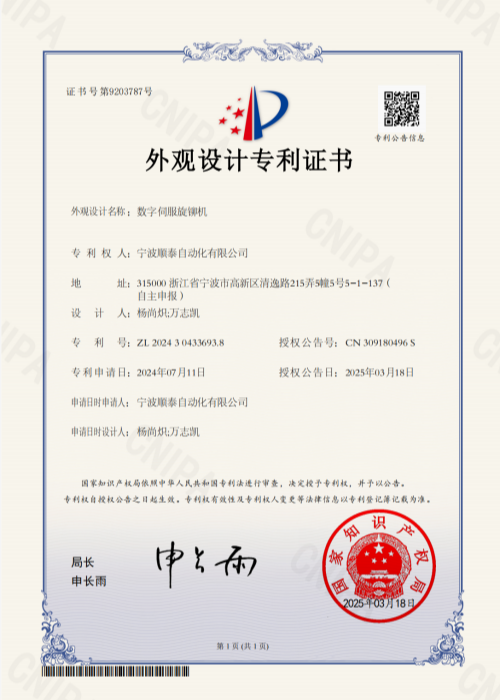 |  |
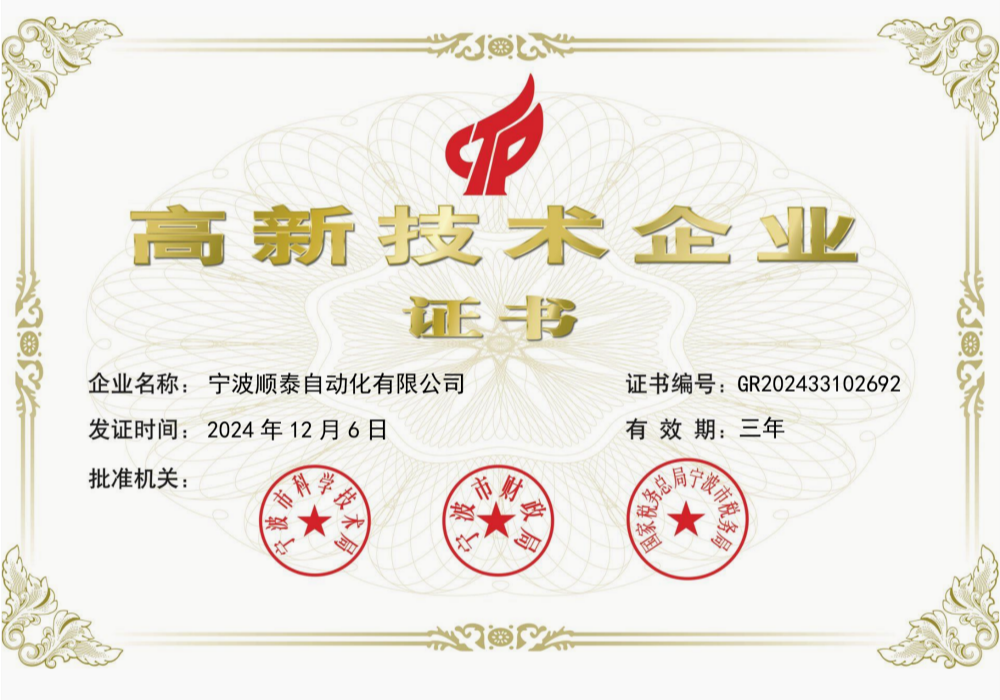
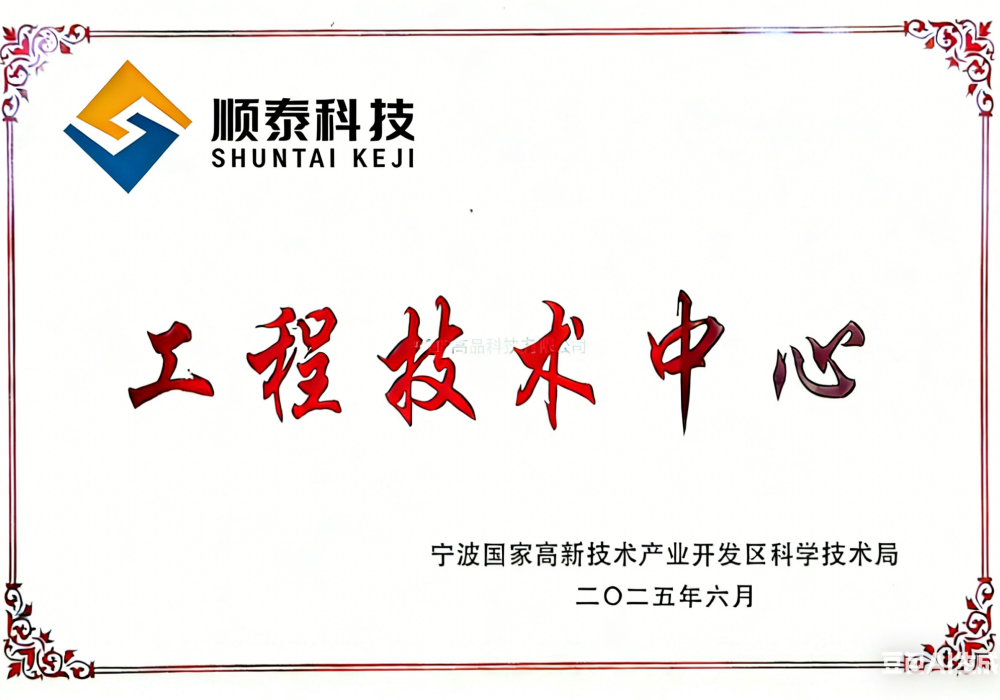
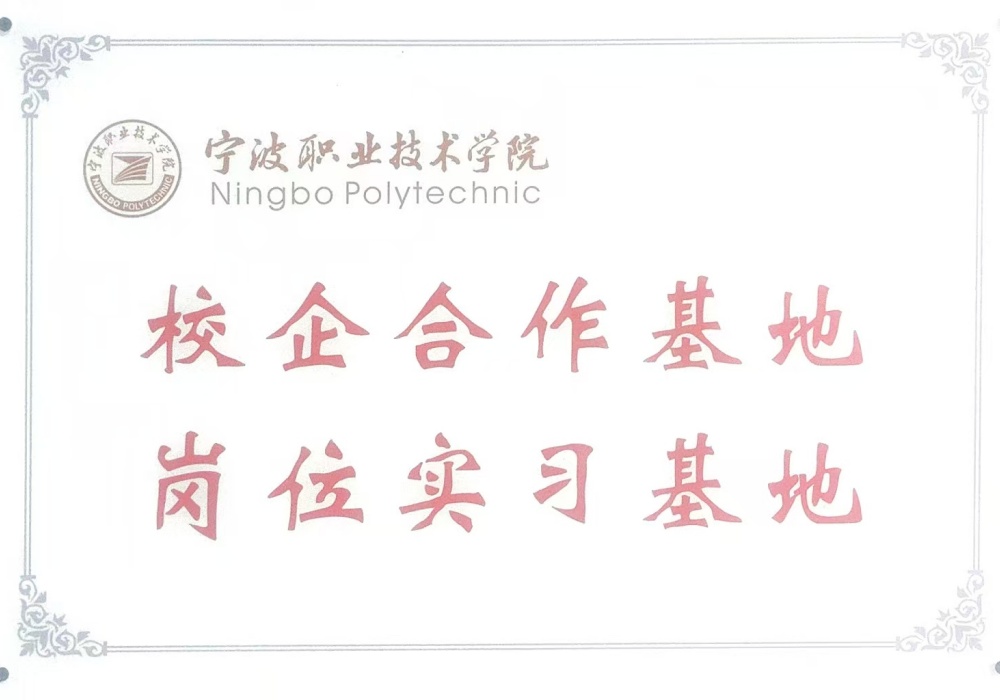
Other certificates
 |  |  |
SHUNTAI Technology Factory Video
SHUNTAI Technology Company Profile
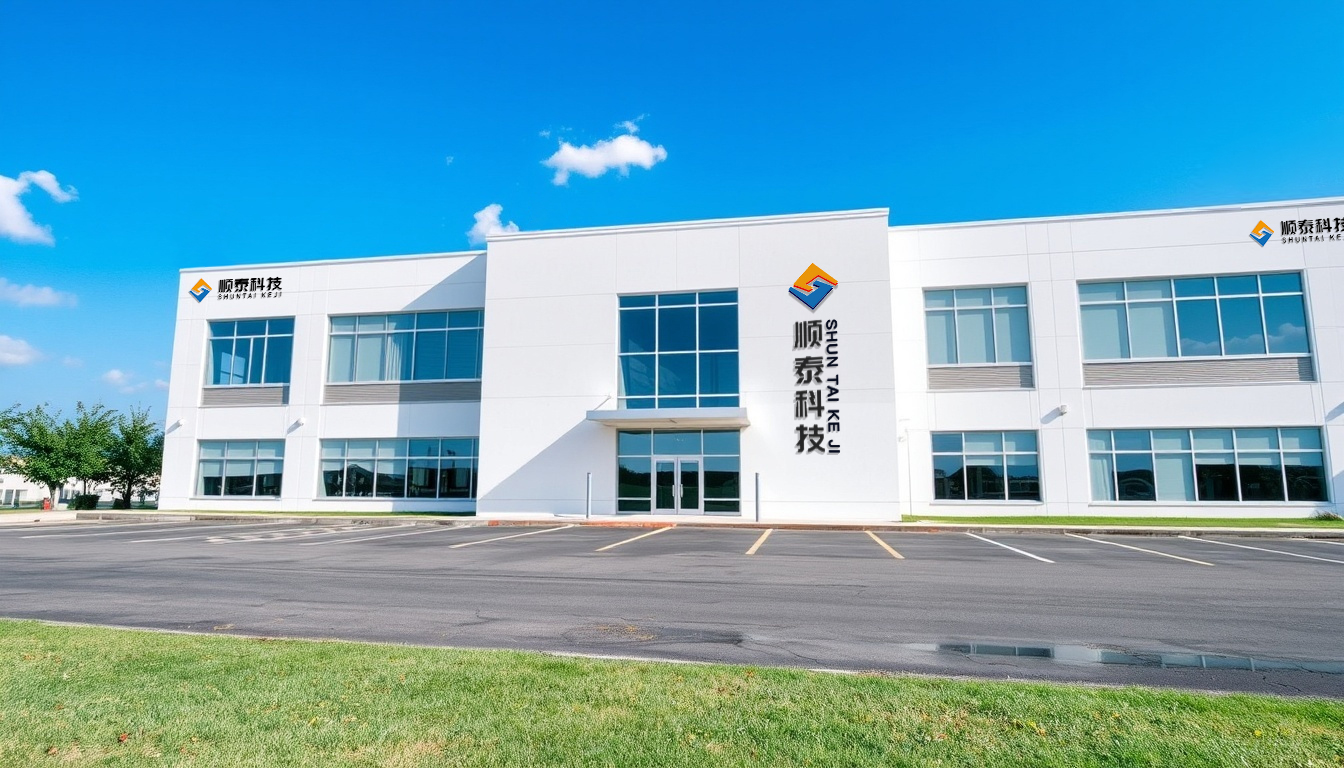
Ningbo Shuntai Automation Co., Ltd. originated from the Automation Division of Hongheng Precision. Since 2005, the company has dedicated itself to the R&D and manufacturing of automation technology, and began independent operation in 2015. As a National High-Tech Enterprise certified with ISO standards, the company boasts an R&D and management team with decades of industry experience.
We specialize in providing innovative and intelligent integrated automation solutions for high-end electronics manufacturing, advanced semiconductor equipment, and automotive parts. In the areas of rotary riveting and press riveting processes, we hold multiple core patents and software copyrights. Located in the Ningbo High-tech Zone, the company benefits from a strategic position close to Beilun Port, ensuring efficient logistics and a strong ability to respond swiftly to global market demands. Shuntai Automation is driven by R&D and committed to becoming a world-leading partner for high-end automation solutions.
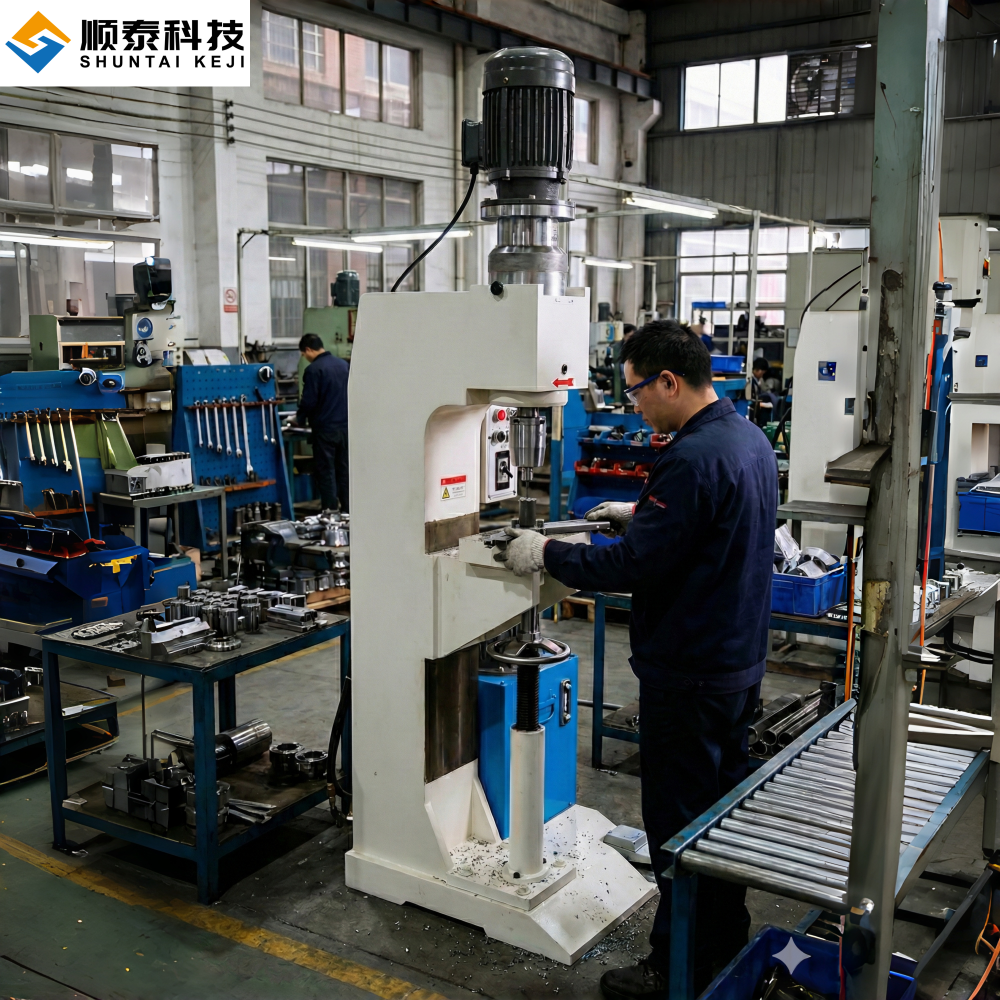
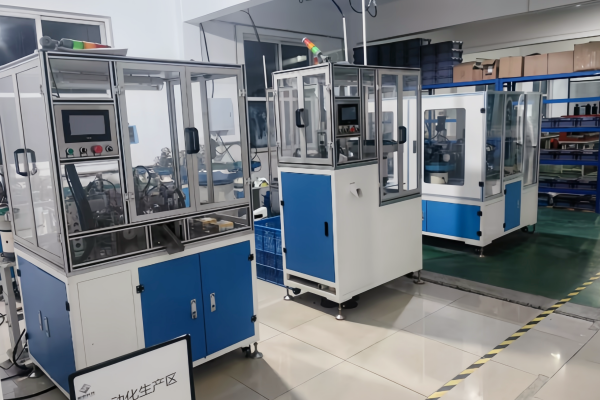
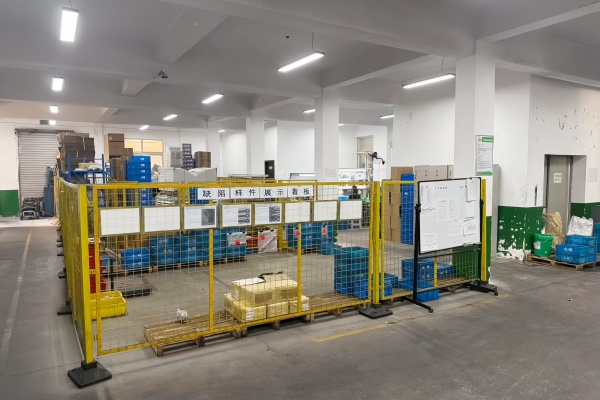
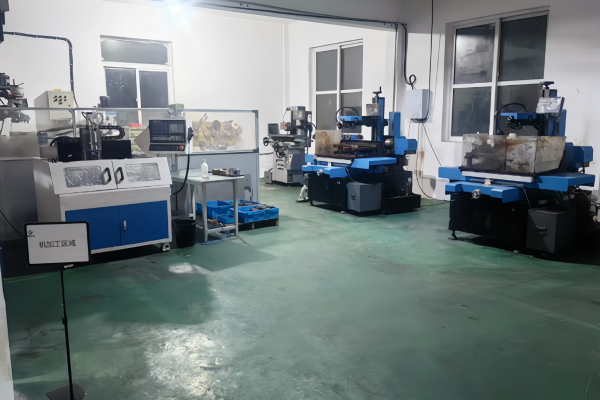
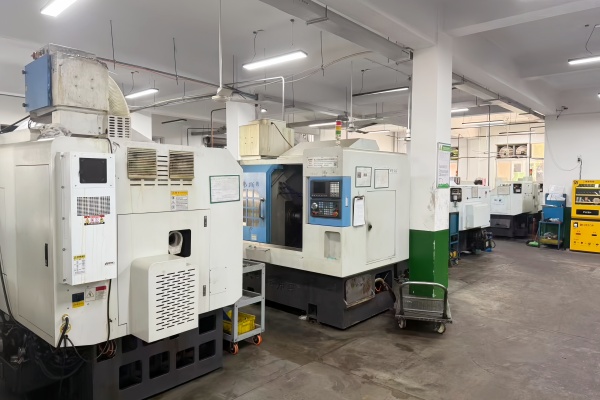
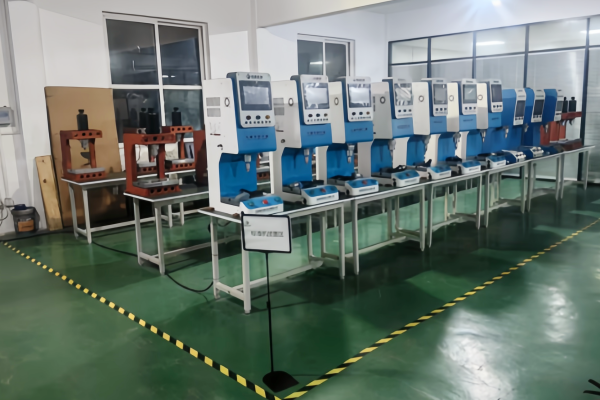
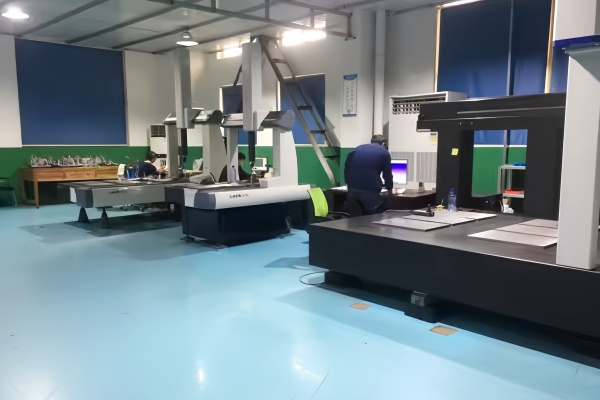
SHUNTAI Technology Workshop Showcase
 |  |  |  |
 |  |  |  |
SHUNTAI Technology
We look forward to working with you to reach new heights in the manufacturing industry!