
Understanding Orbital Riveting & Pressure Riveting Basics
In metal cold forming connections, orbital riveting & pressure riveting are two core processes. Names sound similar but the results are totally different. Pick the wrong one and you’ll get weak joints, deformed parts, or slow production. So let’s really understand orbital riveting & pressure riveting before you buy a machine. I’ve seen too many shops buy the wrong tech and regret it later.
1. Core Principles: Radial Swaging vs Axial Upsetting
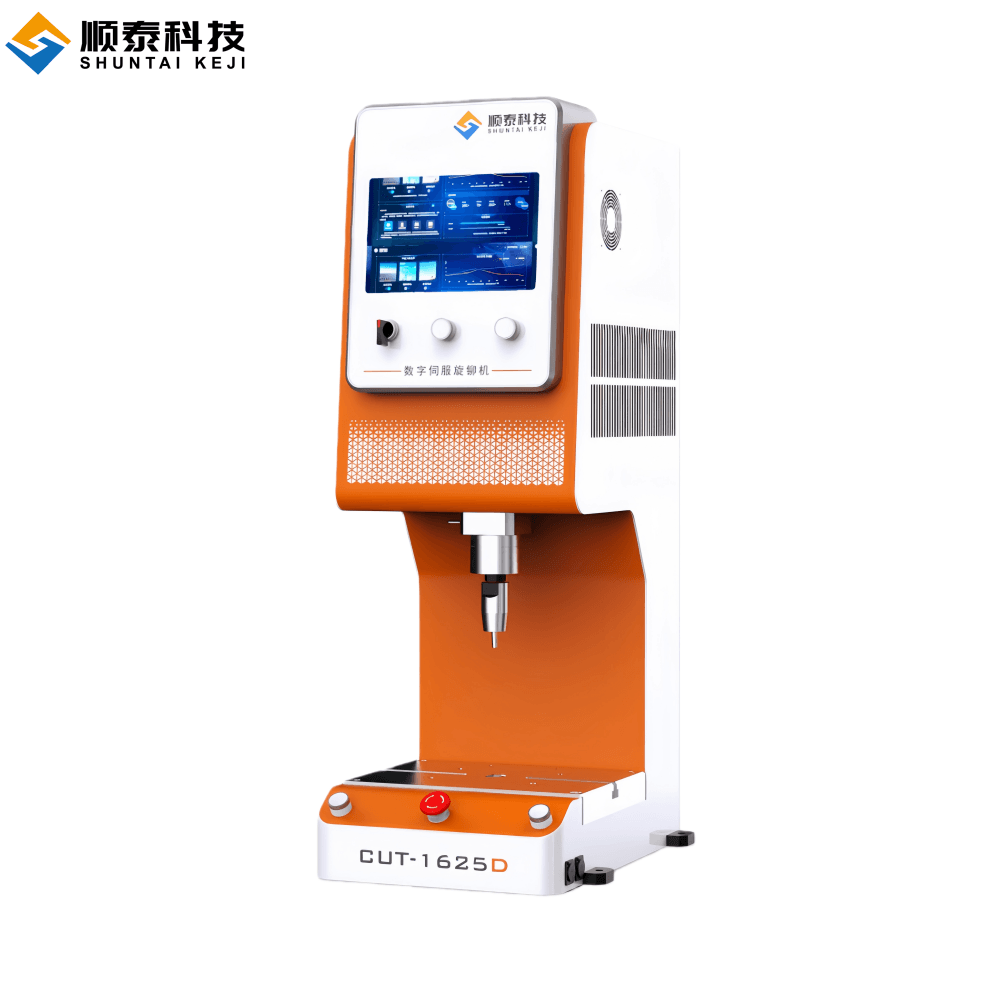
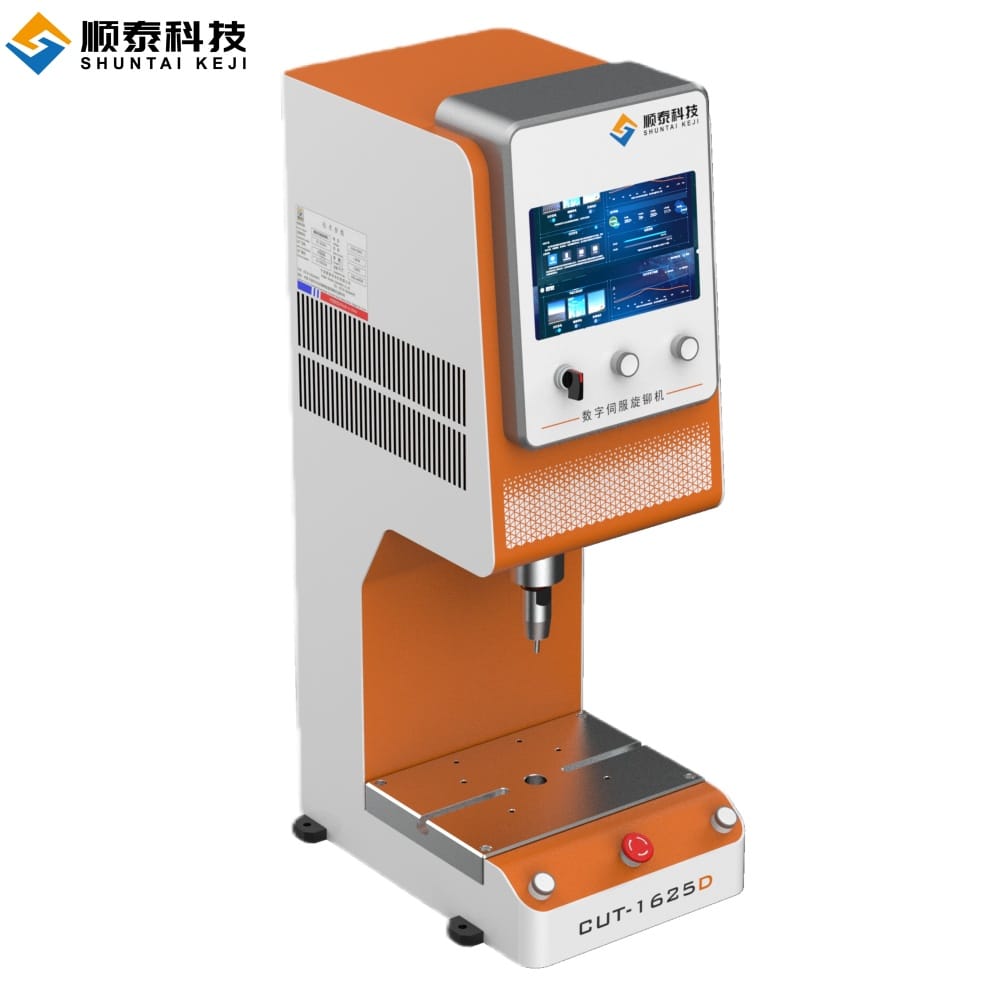
Orbital Riveting: The punch spins in an eccentric orbital (planetary) motion around the main axis. The tip does a continuous, progressive radial swaging action on the rivet tail. Material flows downward and outward gradually, filling the cavity and making a smooth, fine-grained upset head. This is gentle and controllable. You can actually watch the rivet head form slowly—pretty cool if you’re into that.
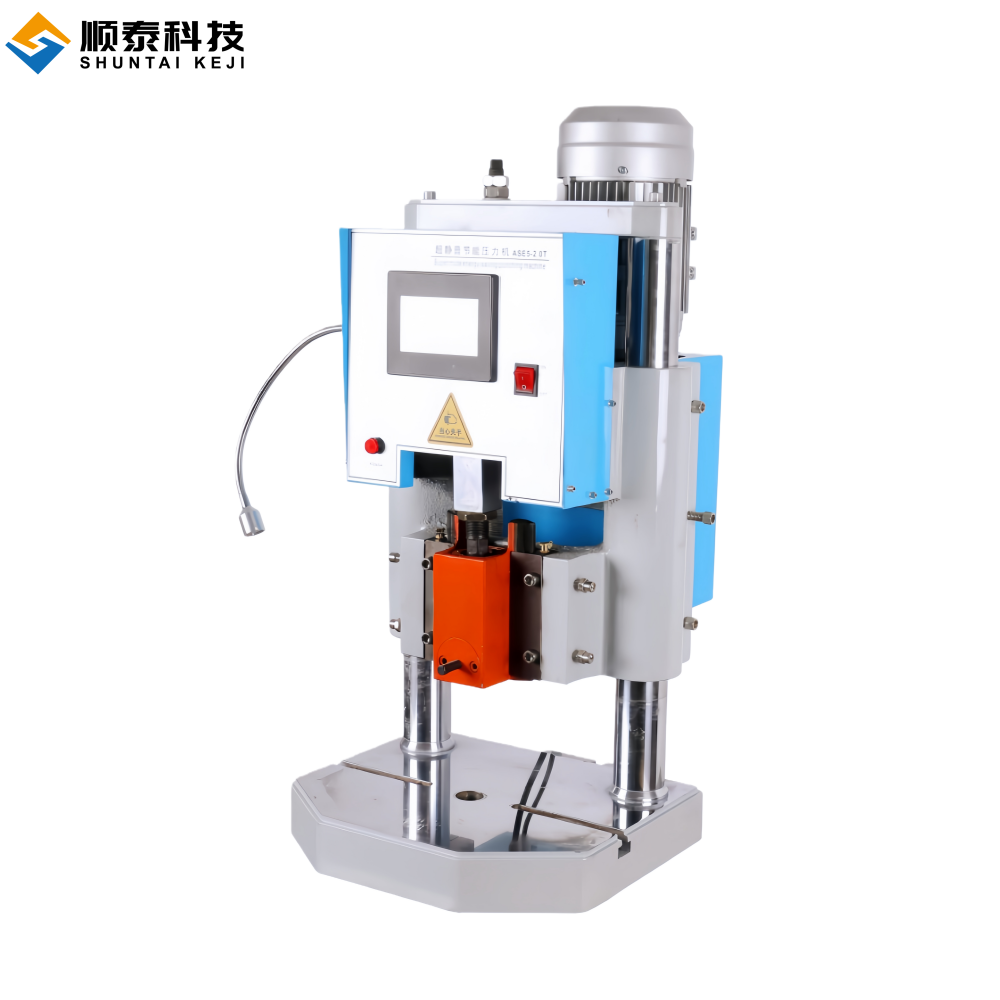
Pressure (Impact) Riveting: The punch moves straight up and down using pneumatic or hydraulic power. It hits the rivet like a hammer, causing instant upsetting. The material squishes outward fast. This is high-impact and instantaneous. Think of it like a stamping press but smaller. No finesse, just brute force.
So the big difference between orbital riveting & pressure riveting is how force gets applied—smooth and radial vs sudden and axial. That difference affects everything downstream: tool life, part quality, noise, even your operators’ hearing.
2. Process Characteristics Comparison (Quick Look)
Let me give you a table summary because comparing orbital riveting & pressure riveting side by side helps. I’ll add some extra notes after the table.
| Feature | Orbital Riveting | Pressure Riveting |
|---|---|---|
| Forming force | Relatively low | Very high (often 5-10x higher) |
| Material flow | Radial, sequential | Axial, outward |
| Workpiece impact | Minimal | Significant (bending, bulging) |
| Joint quality | Very high (fatigue strength) | Moderate (micro-cracks possible) |
| Noise & vibration | Low (servo versions) | High (can exceed 85dB) |
| Best for | Thin parts, precision, coated surfaces | Thick plates, simple upsetting |
| Tool wear | Slower | Faster due to impact |
This table shows why orbital riveting & pressure riveting serve different needs. One more thing: orbital riveting usually gives you better looking joints. No ugly burrs or cracked coatings.
3. How to Choose Between Orbital Riveting & Pressure Riveting
Pick orbital riveting (especially servo) if you need:
High-quality, high-reliability joints with strict fatigue life (auto safety parts like brake calipers, ABS brackets, aerospace components)
Precision or sensitive workpieces—thin sheet metal under 1mm, aluminum housings, or parts with internal components that hate vibration
Good looking rivet heads. Appearance matters a lot for consumer products.
Low noise in your shop. Your neighbors and operators will thank you.
Rivets with high length-to-diameter ratio (radial extrusion prevents bending). Pressure riveting would just buckle the rivet.
Consider pressure riveting if:
You’ve got thick plates or heavy structures, and strength requirements are moderate (like truck frames or agricultural equipment)
Workpiece is super hard and you don’t care about impact deformation
Budget is tight and you don’t care about long-term consistency—just get the job done today
Process is super simple—just smash it and move on
So the choice between orbital riveting & pressure riveting really depends on your quality targets and part sensitivity. Don’t let a low purchase price fool you. The total cost of ownership for pressure riveting can be higher if you factor in scrap and rework.
4. Shuntai’s Focus
Shuntai Technology focuses on orbital riveting—especially advanced servo orbital riveting. We know its advantages in precision, quality, flexibility, and being nice to workpieces. Our ST-MSF series fully digital servo orbital riveting machines use advanced control algorithms. We also provide complete process solutions, including mold design and parameter optimization for different materials and rivets. So when you compare orbital riveting & pressure riveting, we’re clearly on the orbital side. If you need help deciding, just ask. We won’t sell you the wrong thing.
Conclusion
Orbital riveting and pressure riveting are both valid ways to make a connection. But for most modern manufacturing—where you care about product quality, efficiency, sustainability, and long-term reliability—orbital riveting, especially intelligent servo orbital riveting, is the clear winner. Next time you evaluate orbital riveting & pressure riveting, go with the one that gives you better quality and less headaches. Your production line will run smoother, I promise.