
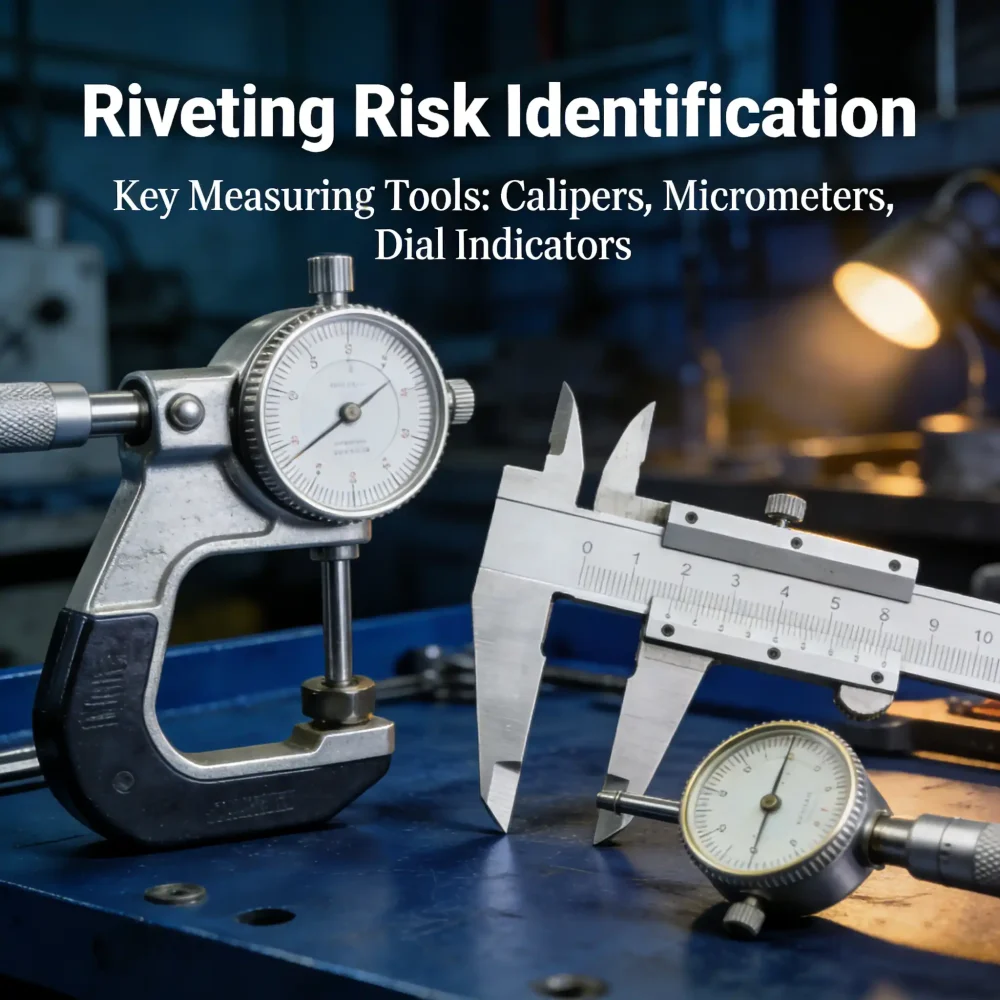
Over-riveting is a hidden but nasty process defect. Unlike cracks that you can see, over-riveting damage stays inside—excessive plastic deformation messes up the crystal lattice structure, killing joint performance. Doing proper riveting risk identification helps you catch this problem early, before field failures happen. In this article, I’ll show you three ways to spot over-riveting, why it’s dangerous, and how to set up a process window that keeps you safe.
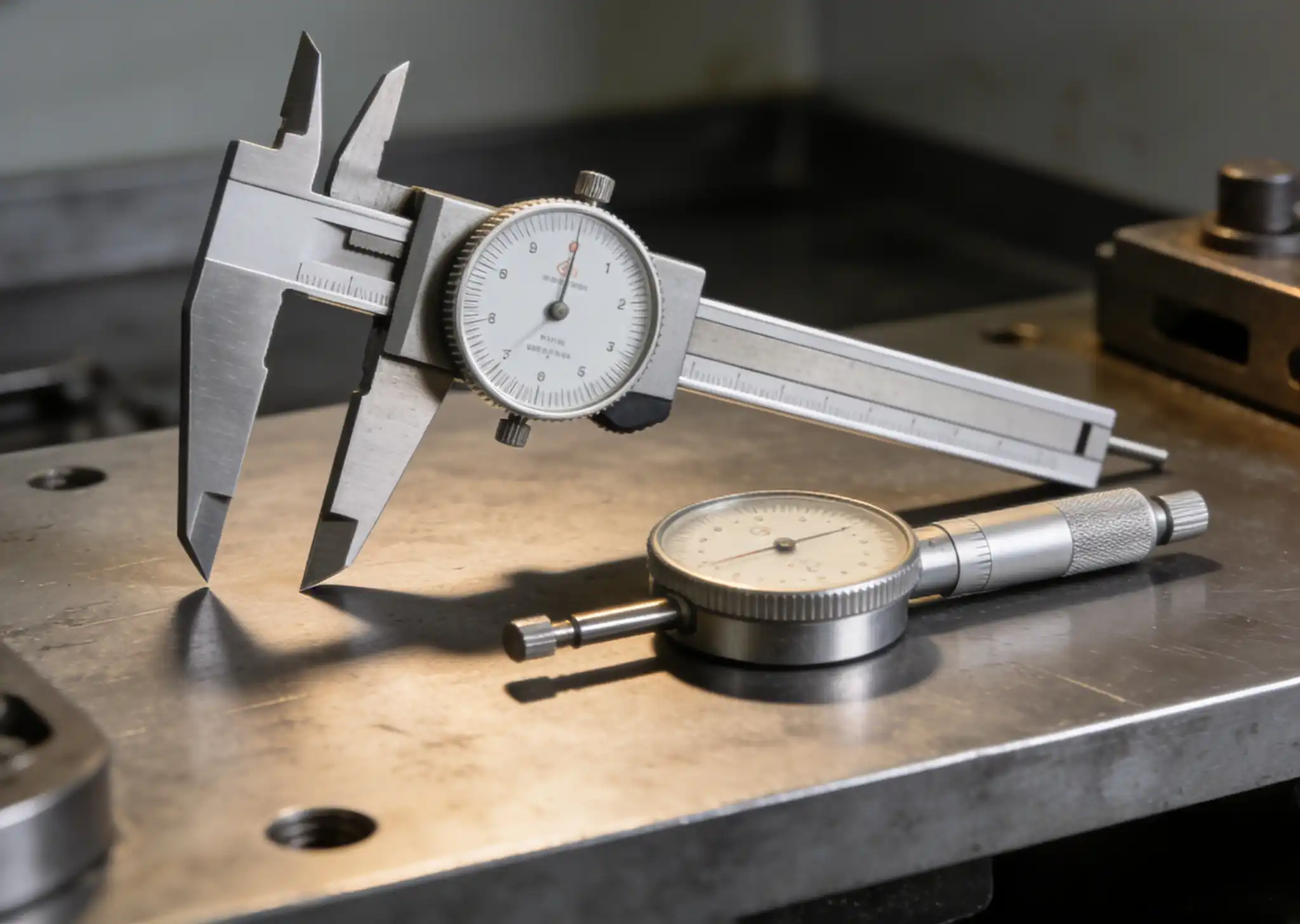
Effective over-riveting risk identification begins with this fact: Over-riveting is a hidden but extremely harmful process defect. Compared to cracking, it is not as obvious, but the damage is internal; excessive plastic deformation of the structure destroys the material’s crystal lattice structure, severely reducing joint performance. Accurately identifying and systematically preventing over-riveting is a critical process step in ensuring long-term product reliability. This guide focuses on over-riveting risk identification methods.
1. How to Accurately Identify Over-Riveting
Visual Inspection: The rivet head is abnormally flattened, losing its standard shape, showing irregular “flashing,” coating cracking or peeling, and bulging or depressions.
Dimensional Measurement: Rivet height or diameter consistently below the lower specification limit.
Process Data Analysis: Analyze recorded force and displacement curves to identify riveting anomalies such as abnormally high peak force, jagged or secondary peaks at the end of the curve. These three techniques form the core of over-riveting risk identification.
2. Serious Consequences of Over-Riveting
Reduced Riveting Strength: Excessive cold working makes both the rivet and the base material brittle, significantly reducing the impact toughness and fatigue strength of the joint, making it prone to brittle fracture under dynamic loads.
Induced Microcracks: High internal stress can induce hidden microcracks within the material or at the interface, creating a risk of long-term failure.
Functional Damage: For joints with sealing or conductive requirements, excessive deformation can damage the integrity of the contact surface.
Surface Damage: Over-riveting can cause surface scratches or damage to the coating, affecting the appearance and leading to corrosion, impacting performance.
Accelerated Equipment Wear: Long-term operation under overload conditions will significantly shorten the service life of the punch and spindle bearings. Understanding these consequences reinforces the need for over-riveting risk identification.
3. Setting Up a “Process Window” to Prevent Over-Riveting
Window exploration test method: Use design of experiments (DOE) to change force and stroke parameters systematically while watching forming results. Find the minimum stroke that gives acceptable riveting. Also find the force/stroke values where over-riveting starts. Set your operating point in the middle—away from both extremes. This approach makes riveting risk identification proactive, not reactive.
Intelligent hard protection: On ShunTai Technology ST-MSF series equipment, use “position-force” hybrid control mode. The machine monitors in real time; if force hits the protection limit before stroke ends, it stops immediately and alarms. That’s execution-level prevention. It’s a game changer for riveting risk identification because it catches problems mid-cycle—not after you’ve made 500 bad parts.
Data-based early warning: Feed the peak force of each rivet into SPC monitoring. If the average peak force shows a slow upward trend—even before hitting spec limits—the system gives an early warning. This predictive layer completes your riveting risk identification strategy. Don’t skip it.
Conclusion
Preventing over-riveting means shifting from subjective judgment to data-driven control. Define a safety window, use closed-loop hard protection, and add statistical process monitoring. Mastering riveting risk identification isn’t just about quality—it’s about protecting your brand, your customers, and your equipment. Start today by pulling those force-displacement curves and setting up SPC charts. Don’t ignore the warning signs. Act now before it’s too late. Your future self will thank you.
As the primary—and often final—line of defense in component fastening, riveting carries extremely severe consequences should any quality risks arise. Consequently, rigorous quality control measures during the preliminary stages—combined with robust quality identification capabilities in the subsequent stages—constitute the most critical means of preventing defects.